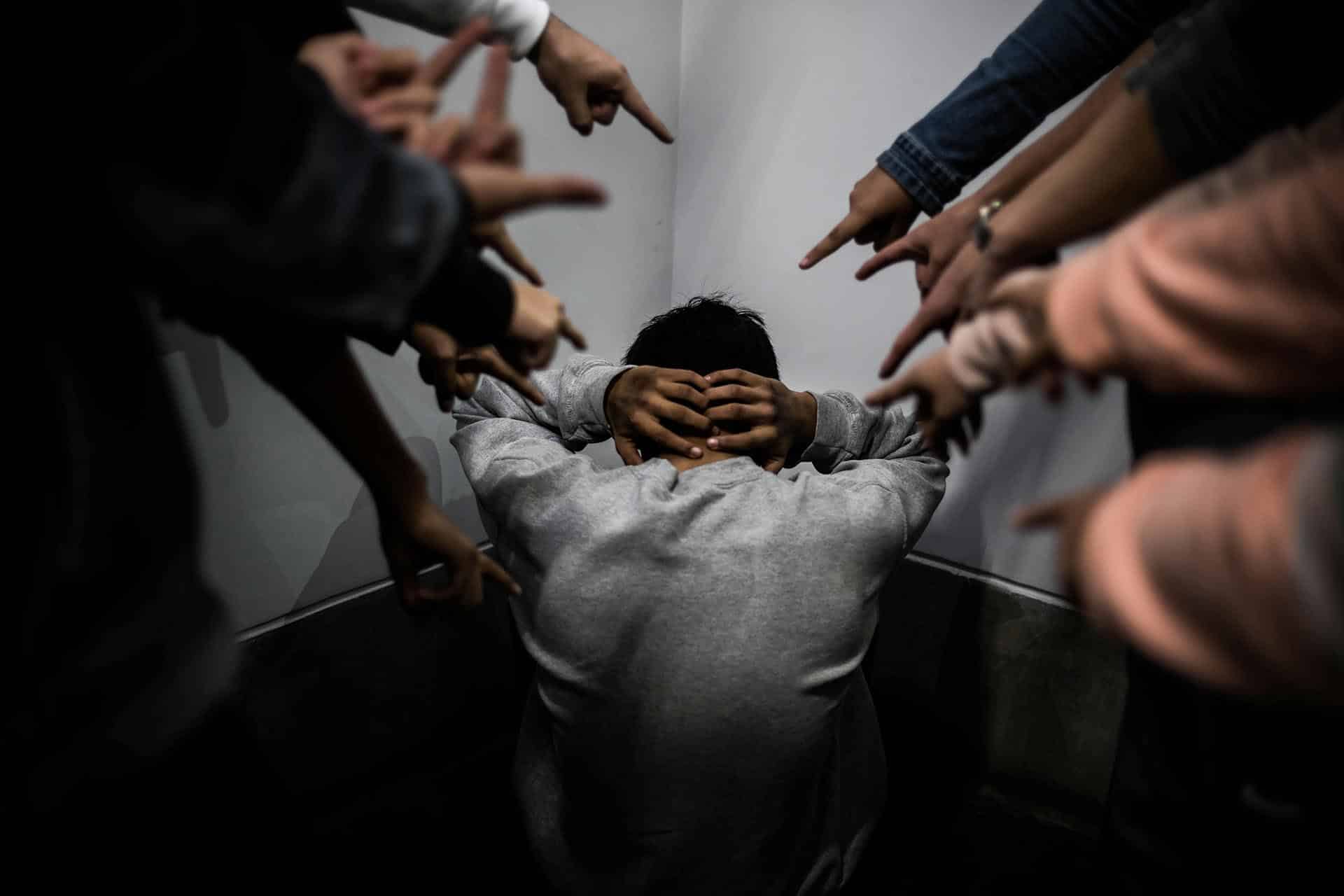

Harassment can occur in workplaces, housing, schools, public accommodations, online platforms, and other settings, and the appropriate reporting process depends on the type of conduct and where it occurred. In New York, victims may have civil, administrative, school-based, workplace, or criminal reporting options depending on the facts of the situation.
This guide covers federal, New York State, and local reporting options, including workplace complaints, the New York State Division of Human Rights, the EEOC, school Title IX processes, online platform reporting systems, housing and public accommodation complaints, and law enforcement reporting.
You will understand:
- Which types of harassment may be legally actionable under New York or federal law
- How to document incidents and preserve evidence
- Where to report workplace, housing, school, online, and public harassment
- What protections exist against retaliation
- Which deadlines may apply under New York and federal law
Understanding Reportable Harassment
In New York, harassment may become legally actionable when it involves discrimination based on a protected characteristic, criminal conduct, threats, stalking, intimidation, or other unlawful behavior.
Under the New York State Human Rights Law and federal civil rights laws, harassment is often treated as a form of unlawful discrimination when it is connected to a protected characteristic such as sex, race, religion, national origin, disability, sexual orientation, gender identity or expression, age, familial status, or another protected status.
Discrimination is broader than harassment. Discrimination may include termination, denial of housing, refusal of services, denial of accommodations, unequal pay, retaliation, or other unequal treatment because of a protected characteristic. Harassment is typically the abusive conduct itself, such as offensive jokes, unwanted sexual advances, slurs, threats, repeated insults, intimidation, or conduct that creates a hostile environment.
Harassment may become legally actionable when the facts fit a law, policy, or reporting system. Harassment can include verbal abuse, bullying, threats, intimidation, or unwanted sexual conduct that creates a hostile environment in the workplace, housing, education, or public settings.
Sexual harassment is considered a form of unlawful sex discrimination under New York and federal law and includes unwelcome sexual conduct that creates a hostile, intimidating, or abusive environment.
In New York employment cases, changes to the law have broadened protections for harassment victims. Federal hostile work environment claims often evaluate whether conduct was severe or pervasive enough to alter working conditions. New York law may provide broader protections, particularly under the New York State Human Rights Law and the New York City Human Rights Law.
Civil rights laws may protect individuals from unlawful discrimination or harassment in workplaces, housing, schools, public accommodations, and other covered settings.
Workplace Harassment
Workplace harassment may include sexual harassment, discriminatory harassment, hostile work environment harassment, and quid pro quo harassment.
Quid pro quo sexual harassment occurs when a supervisor, manager, or other authority figure links employment benefits or consequences to sexual conduct, such as demanding sexual favors in exchange for promotions, schedules, assignments, continued employment, or other workplace benefits.
A hostile work environment may involve repeated offensive jokes, racial slurs, sexual comments, unwanted touching, religious harassment, disability-based hostility, or other conduct that makes the workplace intimidating, hostile, or abusive.
Harassing conduct may come from supervisors, coworkers, customers, vendors, contractors, or others connected to the workplace. Employees who experienced sexual harassment in the workplace may have reporting rights under both New York and federal law.
To report workplace harassment or report sexual harassment in New York, review your employer’s anti-harassment policy and document every incident carefully.. Employee handbooks and HR policies often identify reporting channels, complaint procedures, and anti-retaliation protections.
If a supervisor is the alleged harasser, complaints may be directed to HR, upper management, ethics hotlines, or other designated reporting contacts. Written complaints are generally preferable because they create documentation of the report.
Although employers often attempt to maintain confidentiality during investigations, complete secrecy is not always possible because employers may need to interview witnesses and investigate allegations.
Public Harassment and Discrimination
Harassment and discrimination may occur in housing, public accommodations, transportation, medical offices, schools, stores, restaurants, government services, and online environments.
In New York, housing providers may violate human rights laws if they harass tenants, deny housing, refuse repairs, limit access to services or amenities, or retaliate against someone because of a protected characteristic such as race, disability, religion, national origin, sexual orientation, gender identity, or familial status.
Public accommodation violations may involve denial of services, discriminatory treatment, inaccessible facilities, harassment by employees, or abusive conduct connected to a protected characteristic.
Street harassment may become a legal issue when it involves threats, stalking, assault, bias-related intimidation, or conduct that overlaps with criminal harassment or hate crimes.
Schools have separate reporting systems for harassment complaints. Students may report sex-based harassment and discrimination to a school’s Title IX Coordinator, and complaints may also be filed with the U.S. Department of Education Office for Civil Rights.
Online harassment should be documented before posts, messages, or accounts are deleted. Save screenshots and records before blocking or reporting accounts through platform safety tools.
Reporting Channels and Authorities
Once you identify the type of harassment involved, determine which organization or authority has the ability to investigate or take action. Some situations may require multiple reports. For example, workplace sexual assault could involve an internal HR complaint, a discrimination charge, and a police report.
Internal Company Reporting
Internal reporting often begins with the employer’s anti-harassment policy. Policies may direct complaints to HR, supervisors, upper management, ethics hotlines, compliance officers, or ombuds offices.
Internal documentation should include dates, times, locations, witnesses, exact statements, screenshots, emails, or other supporting evidence. Describe the conduct clearly and explain how it affected work, safety, health, or well-being.
Employers are generally expected to investigate complaints promptly and take appropriate remedial action when harassment or discrimination is substantiated.
Retaliation is prohibited under New York and federal law. Retaliation may include firing, demotion, discipline, reduced hours, threats, undesirable assignments, or continued harassment after a complaint is made.
Government Agency Reporting
Government agencies investigate harassment complaints and alleged discrimination claims that fall under civil rights laws.
In New York, the New York State Division of Human Rights accepts complaints involving employment, housing, education, public accommodations, credit, and other covered areas under the New York State Human Rights Law.
The U.S. Equal Employment Opportunity Commission (EEOC) handles federal workplace discrimination and harassment claims involving sex, race, religion, disability, national origin, age, retaliation, and other protected categories.
The New York City Commission on Human Rights handles many workplace, housing, and public accommodation claims arising within New York City and often provides broader protections than federal law.
If internal reporting does not resolve the issue, formal complaints may be filed with state or federal agencies depending on the facts and legal claims involved.
Law Enforcement Reporting
Law enforcement involvement may be appropriate when harassment involves threats, stalking, assault, sexual assault, coercion, property damage, hate crimes, or physical danger.
If immediate danger exists, call emergency services immediately.
Police reports can create an official record of the incident. In New York, criminal harassment charges depend on the specific conduct, intent, evidence, and applicable criminal statutes. Repeated threats, alarming conduct, stalking, or physical intimidation may result in criminal charges.
Hate crime investigations may involve local police departments, prosecutors, or specialized units such as the NYPD Hate Crimes Task Force when criminal conduct appears motivated by bias involving race, religion, disability, sexual orientation, gender identity, or another protected status.
Victims may also seek orders of protection or restraining orders when appropriate.
Step-by-Step Reporting Procedures
Strong harassment reports typically involve documenting incidents promptly, preserving evidence, identifying the correct reporting authority, submitting written complaints, and maintaining records of all responses.
Deadlines can be short, evidence can disappear, and agencies or employers may require detailed supporting information.
Evidence Collection Process
Begin collecting evidence as soon as harassment happens. Document every incident immediately with dates, times, and screenshots to establish a clear evidence trail.
- Document incidents with dates, times, locations, and witness information.
Detailed logs for reporting harassment include a chronological list of each incident, specific words or actions used, and evidence. Identify the harasser by noting their name, username, email, or physical description; log exact dates, times, and specific locations or platforms. - Save electronic communications, photos, and physical evidence securely.
Preserve evidence by saving screenshots, text messages, emails, voicemails, or audio recordings. Keep copies in more than one secure location, and avoid editing files in ways that could raise questions about authenticity. - Report incidents promptly to create contemporaneous records.
Prompt reporting can help establish that the conduct happened, that the employer or institution had notice, and that the victim sought assistance. Keep copies of the formal complaint, HR response, school response, police report number, platform ticket, or agency intake confirmation. - Consult with New York harassment attorneys for evidence preservation guidance.
New York harassment victims may benefit from legal guidance before or during an agency investigation, especially when the conduct involves sexual harassment, a hostile work environment, retaliation, disability accommodations, employer inaction, or a possible lawsuit.Ronemus & Vilensky represents New York victims in sexual harassment and civil rights matters and can help evaluate evidence, deadlines, and reporting options.
Filing Timeline Comparison
Deadlines vary by law, agency, policy, and jurisdiction. Missing a deadline can prevent a person from filing a complaint, bringing a lawsuit, or obtaining certain remedies.
| Violation Type | New York State | Federal Law | Employer / Internal Policy |
| Sexual harassment | Under the New York State Human Rights Law, many sexual harassment claims are subject to a 3-year statute of limitations. New York expanded workplace harassment protections through legislative changes enacted after 2019 and additional updates effective February 15, 2024. | EEOC workplace claims are generally subject to 180-day filing deadlines, but in New York many claims may be filed within 300 days because New York has state and local fair employment agencies. | Employer policies may require prompt internal reporting, sometimes much sooner than legal deadlines. Internal reporting deadlines do not replace agency or court filing deadlines. |
| Other discrimination | As of February 15, 2024, many discrimination claims under the New York State Human Rights Law became subject to a 3-year statute of limitations. Before that change, certain administrative discrimination claims were subject to shorter filing deadlines. | Charges of discrimination or harassment may be filed with the U.S. Equal Employment Opportunity Commission (EEOC), usually within 180 or 300 days depending on the claim and jurisdiction. | Review employee handbooks, student codes of conduct, lease documents, or organizational policies for internal reporting procedures and shorter notice requirements. |
| Criminal harassment | Criminal harassment, stalking, threats, assault, sexual abuse, and hate crime deadlines vary depending on the offense, evidence, and circumstances. Contact law enforcement promptly if immediate safety concerns exist. | Federal criminal or civil rights enforcement may apply in limited circumstances, particularly where protected civil rights are implicated. | Workplace, school, housing, or platform policies may still require reporting even when law enforcement becomes involved. |
| Housing or public accommodation harassment | New York State and local human rights agencies may investigate harassment and unlawful discrimination involving housing providers, public accommodations, and public services. Filing deadlines vary depending on the agency, claim type, and applicable law. | Federal housing discrimination complaints may often be filed with HUD within 1 year under the Fair Housing Act process. | Landlords, schools, businesses, and other organizations may maintain separate complaint procedures requiring earlier notice or reporting. |
Common Challenges and Solutions
Many victims delay reporting because they fear retaliation, doubt their evidence, or believe the employer, school, landlord, platform, or police will not take the complaint seriously. These concerns are real, but they can often be managed with careful documentation, written reporting, agency escalation, and legal assistance.
Fear of Retaliation
Retaliation is illegal under New York and federal law.
Employers, schools, landlords, and other covered entities generally cannot punish someone for reporting harassment, opposing discrimination, participating in investigations, or assisting another victim.
Victims should preserve emails, schedules, evaluations, complaints, and records of adverse actions that occur after reporting misconduct.
Retaliation itself may become a separate legal claim.
Insufficient Evidence Concerns
A victim does not need perfect evidence to report harassment. Agencies, schools, employers, and police can interview witnesses, request documents, review digital records, examine prior complaints, and determine whether the conduct violates law or policy.
Still, stronger documentation helps. Preserve evidence by saving screenshots, text messages, emails, voicemails, or audio recordings. List any witnesses by collecting names and contact information of people who saw or heard the harassment. Describe the behavior by writing down the exact words used and actions taken. Note the impact of the behavior by documenting how it affects safety, work, or health.
Employer Inaction or Inadequate Response
If an employer ignores a formal complaint, delays the investigation, blames the victim, allows the harassment to continue, or fails to take remedial action, external reporting may be appropriate. Options may include the New York State Division of Human Rights, the EEOC, the NYC Commission on Human Rights, a union grievance process, or a lawsuit in state or federal court.
Legal remedies may include reinstatement, policy changes, training, back pay, front pay, emotional distress damages, attorney’s fees, and in some cases punitive damages. Employer negligence, failure to follow an anti-harassment policy, or failure to stop known abuse can strengthen a claim depending on the law and circumstances.
Next Steps
Reporting harassment is not one single action; it is a process of documenting what happened, choosing the right authority, filing the correct complaint, and preserving your rights. In New York, victims may have internal workplace options, state and city human rights agencies, federal agencies, school reporting systems, platform tools, police reports, and court remedies depending on the type and severity of the conduct.
Take these next steps:
- Document the current situation immediately. Record dates, times, locations, names, exact words, actions, screenshots, physical evidence, and witness contact information.
- Identify the correct reporting entity. Choose HR, management, a Title IX coordinator, a platform safety team, a housing agency, the EEOC, the New York State Division of Human Rights, local human rights authorities, or police.
- Submit a written complaint. Use a formal complaint, official complaint, intake form, online report, platform ticket, or police report when appropriate.
- Preserve every response. Save confirmations, emails, case numbers, investigation notices, remedial action records, and retaliation evidence.
- Consider legal consultation. A New York sexual harassment attorney can help determine deadlines, evidence strategy, agency options, and whether a lawsuit may be available.
Related issues may include discrimination lawsuits, workplace accommodations after harassment, disability accommodations, retaliation claims, protective orders, and civil rights violations involving housing or public services.
Contact NY Attorneys Ronemus & Vilensky
New York victims seeking legal representation for sexual harassment, hostile work environment, civil rights, or workplace discrimination claims can contact Ronemus & Vilensky. Call 212-779-7070.
Additional Resources
- New York State Division of Human Rights
- EEOC New York District Office
- NYC Commission on Human Rights
- U.S. Department of Education Office for Civil Rights
- HUD Fair Housing Complaint Process
- Safe Horizon
- NYC Anti-Violence Project