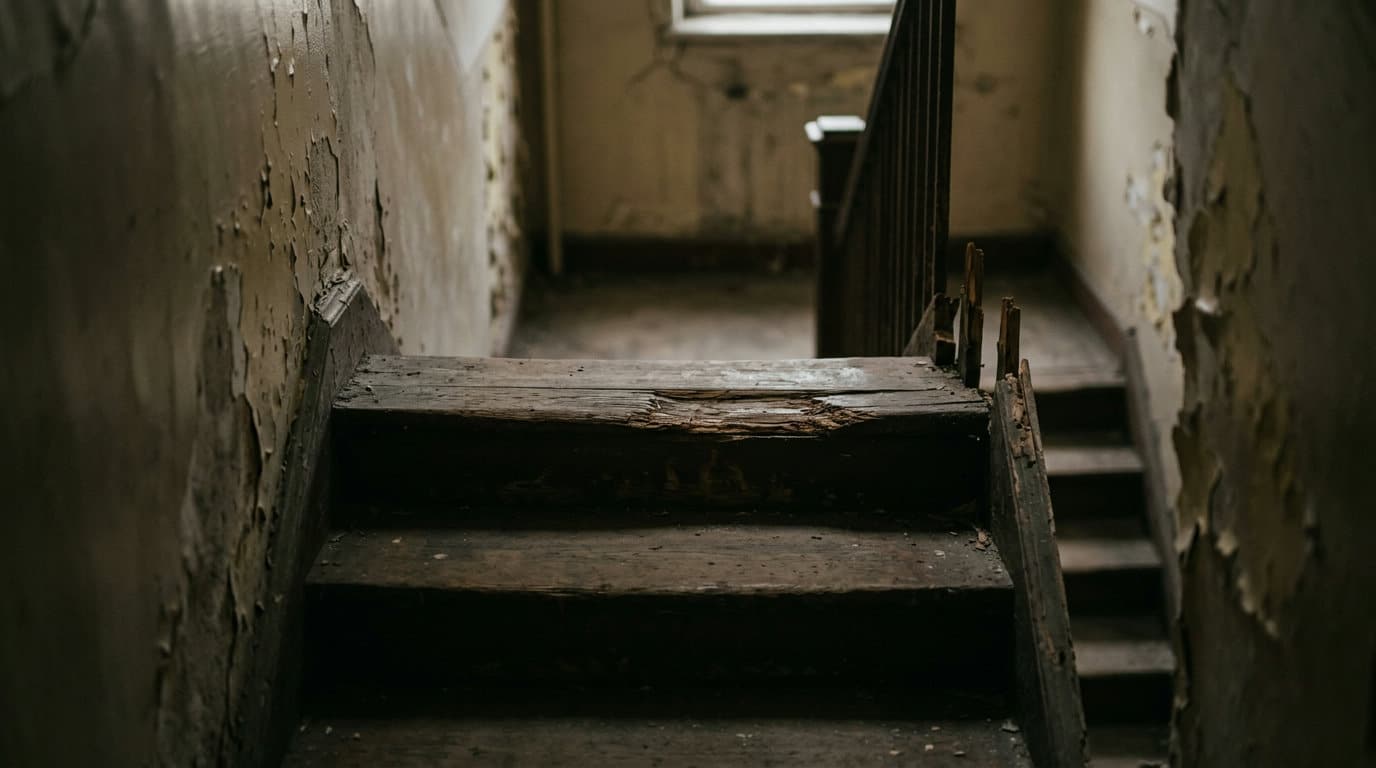

Landlord negligence occurs when a landlord fails to maintain safe conditions in a residential building, and that failure leads to injury, illness, or death. In New York, particularly in the dense apartment housing of New York City, this legal concept carries enormous practical weight for the millions of people who rent their homes. Whether you’ve been hurt in a building fire, fallen on broken stairs, or suffered health problems from mold or pest infestations in a neglected unit, New York law provides concrete pathways to hold negligent landlords accountable.
Under New York law, a landlord may be held responsible when they fail to keep the property reasonably safe, violate housing codes, or ignore complaints about a dangerous condition-and someone is injured as a result.
Key Takeways
-
Understand when a New York landlord’s conduct rises to legal negligence
-
Learn what evidence is needed to prove landlord negligence in New York courts
-
Recognize special rules for NYC building codes, smoke detectors, and self-closing doors
-
Know when to contact the law firm of Ronemus & Vilensky for help
Understanding Landlord Negligence Under New York Law
Landlord negligence in New York means a property owner, or the landlord or management company acting on their behalf, failed to act as a reasonably prudent building owner would in maintaining the property and complying with New York City and New York State safety rules. It is a civil legal standard, not a criminal charge, and it allows injured tenants and visitors to seek financial compensation through the courts.
To succeed on a landlord negligence claim, the injured person must establish four elements:
-
(1) the landlord owed a legal duty to keep the premises safe;
-
(2) the landlord breached that duty;
-
(3) the breach caused the injury; and
-
(4) the tenant suffered actual damages
The landlord’s duty arises from multiple sources: New York common law (requiring property owners to maintain safe premises), the Multiple Dwelling Law, the NYC Housing Maintenance Code, the NYC Building Code, fire safety codes, and the implied warranty of habitability under New York Real Property Law § 235-b.
Key Legal Duties of New York Landlords
New York landlords have a legal duty to exercise reasonable care toward tenants, lawful visitors, and-in certain circumstances, people in building entryways and on adjacent sidewalks. This duty is not optional and cannot be contracted away. Under New York General Obligations Law § 5-321, lease provisions that attempt to exempt a landlord from liability for their own negligence are void.
The Implied Warranty of Habitability legally obligates landlords to provide safe living spaces. Under Real Property Law § 235-b, every residential lease in New York-written or oral-includes an implied guarantee that the premises are fit for human habitation, suitable for intended use, and free from conditions dangerous to life, health, or safety.
In multiple dwellings–the vast majority of NYC apartment buildings–these duties are non-delegable. Property owners cannot escape legal responsibility by pointing to a superintendent or property manager who handled day-to-day operations. Landlords must maintain safe and habitable rental properties, including obligations to provide heat and hot water, keep common areas in reasonably safe condition, comply with fire safety device requirements, and fix broken locks and entrance doors.
What Counts as Negligent Maintenance vs. a Pure “Accident”
Not every injury in a rental property is the landlord’s fault. The distinction between an unavoidable accident and negligence hinges on foreseeability: would a reasonable landlord have anticipated and prevented the hazardous condition?
Consider two scenarios. A tenant trips on a broken step that neighbors have complained about for six months–that likely constitutes negligence because the landlord knew or should have known about the hazard and failed to act. By contrast, if a perfectly maintained ceiling fixture falls during a freak occurrence with no prior signs of weakness or wear, the landlord may not be liable.
The concept of notice is central here. Actual notice means the landlord knew about the problem-perhaps through maintenance requests, emails, or 311 complaints. Constructive notice means the hazard existed long enough that regular inspections should have revealed it. Landlords are liable if they knew about hazards and failed to act, and constructive notice means landlords should have discovered hazards through reasonable diligence.
Common Forms of Landlord Negligence in New York Rental Properties
New York City’s dense housing stock–much of it built decades ago–creates recurring patterns of landlord negligence. Many of these buildings are older buildings with aging infrastructure, and the safety concerns that arise in them are well known and specifically addressed by NYC codes and enforcement rules. When property owners ignore these obligations, serious injuries and deaths result.
Unsafe Structural and Maintenance Conditions
Structural defects are among the most common examples of landlord negligence in New York. These include broken stairs, missing handrails, loose floorboards, ceiling collapses from a leaking roof or leaking pipe, and deteriorated facades or balconies. A leaking pipe inside a wall can weaken structural supports over months, ultimately causing a ceiling to give way.
These hazards frequently violate the NYC Building Code and Housing Maintenance Code. Common areas–hallways, stairwells, lobbies, laundry rooms, basements–are almost always under the landlord’s direct control, which strengthens negligence claims. Landlords must keep common areas in reasonably safe condition, and when they fail to make timely repairs, they expose tenants and visitors to foreseeable harm.
Electrical, Heating, and Fire-Safety Failures
Neglected electrical systems are a leading source of both injury and fire risk in New York apartments. Faulty wiring, overloaded circuits, and unsafe wiring installed by unlicensed workers can cause shocks, electrocutions, and fires. Landlords are responsible for fixing broken heating systems, and when central heat fails in winter, tenants often resort to space heaters–creating a cascade of fire danger that the landlord’s failure set in motion.
These problems connect directly to fire risk: overloaded extension cords compensating for too few outlets, improperly wired circuits behind walls, and combustible clutter around boilers or meters. Landlords must respond to repair requests in a reasonable time, and ignoring reports of flickering lights, tripped breakers, or burning smells can amount to negligence when a fire ultimately breaks out.
Security, Lighting, and Crime-Related Negligence
Broken locks, non-functioning intercoms, missing or defective locks on apartment doors, and poor lighting in hallways and entryways are pervasive safety concerns in New York rental buildings. The NYC Housing Maintenance Code requires self-locking building doors and adequate lighting in shared areas.
When a landlord failed to maintain these security features and a foreseeable crime occurs, the landlord may bear civil liability. In Scurry v. New York City Housing Authority (2021), the court found triable issues of fact where poorly functioning locks and a known pattern of criminal activity in the building suggested negligence. The foundational cases of Nallan v. Helmsley-Spear, Inc. and Burgos v. Aqueduct Realty established that landlords can be liable for criminal acts by third parties when poor security made the danger foreseeable–for example, when a guest falls victim to an assault in a building with chronically broken entrance doors.
Health Hazards: Mold, Pests, and Lead Paint
Untreated black mold after leaks, rodent and cockroach infestations, bedbugs, and unremediated lead paint in pre-1960 buildings are common New York health hazards that can constitute landlord negligence. NYC’s Local Law 1 of 2004 requires landlords to conduct annual inquiries about children under six in their units and to address lead paint hazards through licensed remediation.
Severe asthma attacks, respiratory infections, skin reactions, and neurological harm to children can all be compensable injuries caused by code violations and landlord neglect. In 12 3rd St LLC v. Hilario, the court found a breach of habitability where mold and leaks caused rashes in an infant child-and awarded a complete abatement of rent arrears. Pest infestations, when left unaddressed despite tenant complaints, similarly support negligence claims.
Landlord Negligence in New York Apartment Fires
Apartment and building fires represent one of the most devastating consequences of landlord negligence in New York City. In fire cases, landlord liability often involves both the cause of the fire itself and the failure of safety systems–smoke detectors, self-closing doors, clear egress routes-that determine whether occupants can escape or are trapped.
How Landlord Negligence Can Cause or Worsen a Fire
Common negligent fire causes in New York buildings include outdated wiring, non-code-compliant electrical work performed by unlicensed workers, failure to service boilers or gas lines, and ignoring tenant complaints about sparking outlets or burning smells. These failures create the conditions for ignition.
But even when a fire starts from a non-negligent source, the landlord’s failure to maintain required safety systems can dramatically worsen outcomes. Missing or disabled smoke detectors rob tenants of early warning. Non-functioning carbon monoxide alarms leave occupants unaware of lethal gas buildup. And the absence of working self-closing doors–required in buildings with three or more apartments under NYC Administrative Code § 27-2041.1–allows smoke and flames to pour into hallways and stairwells, turning a contained kitchen fire into a building-wide catastrophe.
NYC classifies violations of self-closing door requirements as “class C immediately hazardous,” meaning landlords must correct them promptly. Since approximately 2023, Local Law 111 has strengthened enforcement of door-closing hardware in both apartment and public hallway doors. Additionally, the 2025 New York State Fire Code introduced more detailed specifications for smoke-activated doors with maximum 10-second closing delays and annual inspection requirements.
Landlords must also provide annual notice to tenants regarding locking stove knob covers for gas stoves-a requirement enacted after high-profile fires in which unattended stove ignition played a role.
Compensation and Legal Pathways in New York Landlord Negligence Cases
Injured tenants and families can seek financial compensation through insurance claims, negotiated settlements, or lawsuits filed in New York courts. Every case involves different facts, but certain categories of damages are standard in landlord negligence and apartment fire cases.
Types of Damages Tenants May Recover
Victims can recover medical bills from landlord negligence claims, including emergency room treatment, hospitalization, surgery, physical therapy, and psychological counseling. Future medical needs-particularly important for burn victims, those with respiratory injuries, or individuals with permanent disabilities-are also compensable.
Lost wages can be compensated in landlord negligence lawsuits, along with loss of future earning capacity when injuries prevent a return to previous employment. Compensation may include pain and suffering damages, covering the physical agony and diminished quality of life that follow serious injuries. Emotional distress can be part of the compensation package, recognizing the psychological toll of surviving a fire or living through prolonged exposure to unsafe conditions.
Relocation costs may be recoverable if necessary due to negligence-when a fire or structural failure renders an apartment uninhabitable and forces a family to find emergency housing. Property damage covering furniture, clothing, electronics, and personal items destroyed by fire, smoke, or water is also a standard element.
In wrongful death cases, surviving family members may recover compensation under New York’s wrongful death and estate statutes, including lost financial support, funeral expenses, and conscious pain and suffering the deceased endured before death.
Claims, Lawsuits, and the Role of Insurance
Tenants and injured visitors typically sue the landlord, building owner, or management entity directly. The building’s liability insurer generally funds the defense and any settlement or judgment, but New York does not generally permit suing the insurance company directly.
At a high level, the progression is: claim notice → investigation → negotiation → filing suit in New York Supreme Court if settlement offers are not fair. Tenants may be entitled to legal remedies based on local laws, and an experienced tenant rights attorney can evaluate whether settlement negotiations are adequate or whether litigation is necessary.
For smaller property damage or deposit disputes, small claims court may be appropriate, but cases involving serious personal injury, fire injuries, or wrongful death should be handled in Supreme Court with experienced counsel.
Time Limits and When to File in New York
New York imposes a three-year statute of limitations for personal injury actions under CPLR § 214, and two years for wrongful death under CPLR § 214-(d). However, exceptions exist: claims against municipal defendants like NYCHA require a notice of claim within 90 days, and tolling provisions may extend deadlines for minors or incapacitated individuals.
These deadlines can pass quickly, especially when recovery from injuries consumes a tenant’s attention. Speaking with an attorney soon after an accident or fire is essential to avoid missing critical filing deadlines. Tenants can sue for injuries caused by landlord negligence, but only if they act within the required timeframes.
Next Steps for New York Tenants
New York landlords have an unambiguous legal responsibility to maintain safe premises. When they violate building codes, ignore maintenance requests, or allow known hazards to persist, and someone is injured as a result, the law provides tenants and their families with the right to recover compensation. This is true whether the case involves a catastrophic apartment fire, a fall caused by structural defects, an assault enabled by broken locks, or chronic health harm from mold and pest infestations.
If you believe you may have a landlord negligence case, take these steps now:
-
Get medical care and ensure all injuries are documented with complete medical records.
-
Gather and organize photos, videos, complaints, violation notices, and any other evidence of the unsafe condition.
-
Write down a timeline of complaints and what the landlord or superintendent did-or failed to do-in response.
-
Avoid signing releases or giving recorded statements to insurance adjusters without legal advice.
-
Speak with an experienced New York landlord negligence lawyer as soon as possible to preserve evidence and protect filing deadlines.
If you or a family member has been injured in a New York apartment fire, fall, structural collapse, or other building incident caused by a landlord’s failure to maintain safe conditions, contact the law firm of Ronemus & Vilensky for a free consultation. The firm focuses on serious injury and negligence cases throughout New York City and New York State. Visit https://www.ronvil.com/ to learn more or request a consultation today.
Frequently Asked Questions About Landlord Negligence in New York
These answers address common, specific questions New York tenants and families ask after apartment fires and other building incidents involving landlord negligence.
Can I sue my New York landlord if I was injured in an apartment fire?
Yes. Tenants and lawful visitors can bring claims when landlord negligence-such as unsafe wiring, missing smoke detectors, or non-functioning self-closing doors-contributed to the fire or worsened injuries caused by it. Each case depends on evidence of code violations, notice of the dangerous condition, and causation linking the landlord’s failure to the harm suffered. A New York attorney experienced in fire injury cases can evaluate these factors based on the specific facts.
What if I’m just a guest visiting a tenant when I get hurt?
New York landlords generally owe a legal duty of reasonable care to lawful visitors as well as tenants. If a guest falls on broken stairs, is injured in a hallway, or is harmed in a fire caused by building defects, that injured person may have the same right to seek compensation as a tenant. The key question is whether the landlord maintained the area where the injury occurred in reasonably safe condition.
What if my landlord says the fire was my fault because I was cooking?
New York’s comparative negligence rule means that even if a tenant made a mistake–such as leaving cooking unattended-the landlord can still be found liable for making the building unreasonably dangerous. If there were no working smoke detectors, exits were blocked, or self-closing doors were non-functional, those failures by the landlord contributed independently to the severity of the outcome. Only a detailed legal review can fairly allocate responsibility between the parties.