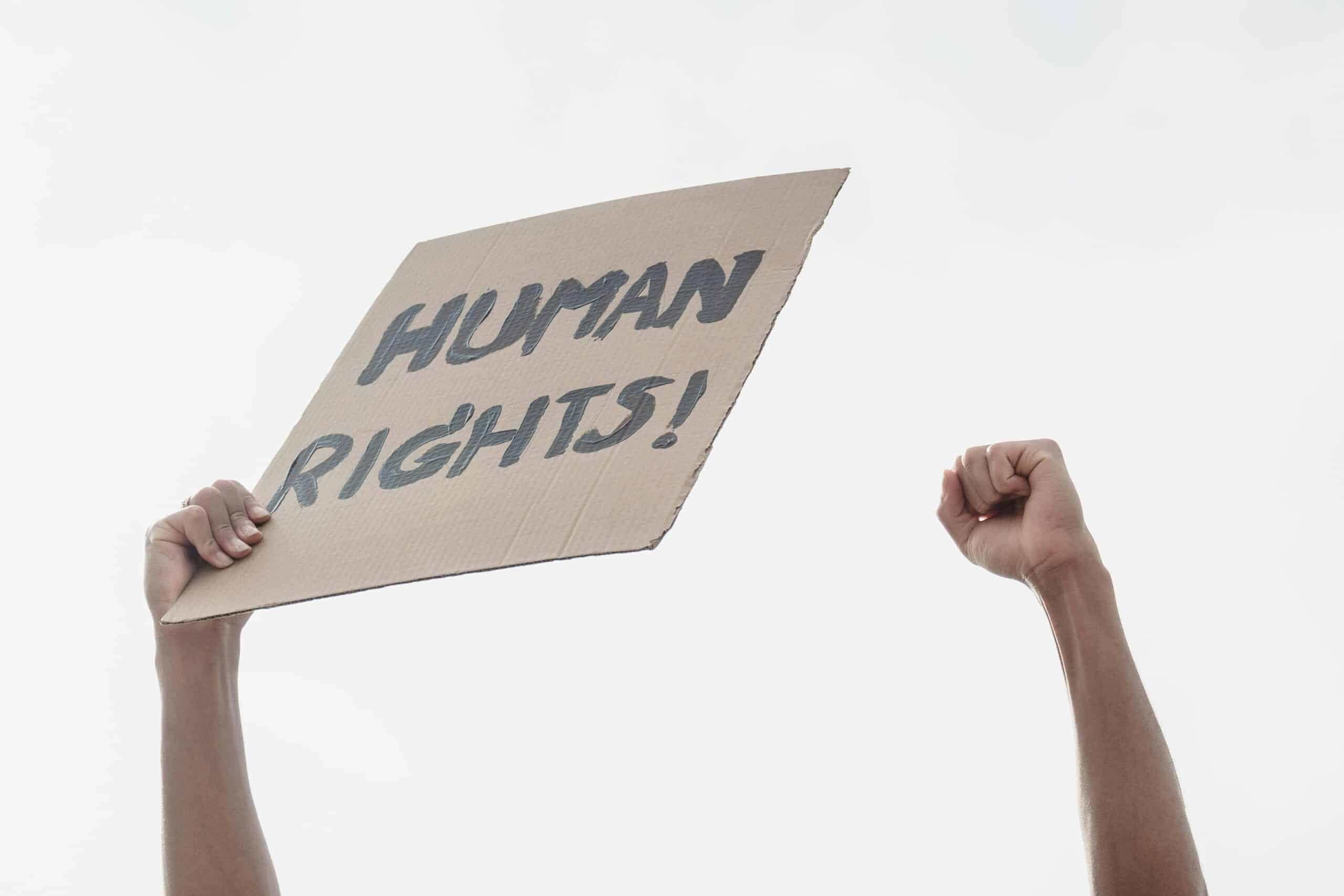

Every year, thousands of individuals face violations of their civil rights. From workplace discrimination to police misconduct, the stakes are high, and the road to justice can feel daunting. Are you ready to take the first step in standing up for your rights? This guide will walk you through the process of filing a civil rights lawsuit and empower you to win your case and achieve the justice you deserve.
Understanding Civil Rights Lawsuits
Civil rights violations occur when someone’s rights, granted by the Constitution or laws, are infringed upon. These can include issues related to race, gender, disability, and more. Knowing the specific types of violations is crucial in determining if you have a valid case. Here are some examples:
- Unlawful arrest or excessive force by law enforcement
- Workplace discrimination based on race, gender, or disability
- Hate crimes and harassment based on sexual orientation
Recognizing these violations is the first step toward justice. However, many hesitate to act due to fear of retaliation or the lengthy process involved. What’s the cost of inaction? You risk perpetuating the cycle of injustice, feeling powerless, and losing valuable time, time that could have been spent reclaiming your rights.
Types of Civil Rights Violations
Civil rights claims encompass several distinct categories of government misconduct. Each violation type involves different constitutional provisions and evidentiary requirements, though many civil rights lawsuits combine multiple claims arising from the same incident.
Police Misconduct and Excessive Force
Fourth Amendment violations represent the most common basis for civil rights claims against law enforcement. These include excessive force during arrests or detentions, false arrest without probable cause, unreasonable searches of persons or property, and police brutality causing physical harm. Courts evaluate use-of-force claims based on whether the force was objectively reasonable under the circumstances—considering the severity of the crime, whether the suspect posed an immediate threat, and whether they actively resisted or attempted to flee.
Employment and Housing Discrimination
Workplace discrimination by government employers violates both constitutional equal protection guarantees and specific civil rights laws. Claims may involve discriminatory practices in hiring, firing, promotion, or working conditions based on race, national origin, religion, sex, or disability accommodations. When a state or local government employer engages in employment discrimination, affected employees can pursue claims.
Housing discrimination claims arise when government officials or agencies engage in discriminatory practices affecting where people can live. Violations of the Fair Housing Act by public housing authorities or discriminatory zoning enforcement by local officials create actionable civil rights claims. These cases often require demonstrating patterns of unfair treatment rather than isolated incidents.
Voting Rights and Free Speech Violations
First Amendment protections against government interference with free speech, assembly, and religious expression form the basis for many civil rights claims. These violations include retaliation against government employees for protected speech, denial of permits for demonstrations, and government censorship. Voting rights violations, including denial of ballot access, discriminatory polling practices, and vote suppression tactics, implicate constitutional protections under the Fourteenth and Fifteenth Amendments.
Steps to Filing a Civil Rights Lawsuit
Filing a civil rights lawsuit can seem overwhelming, but breaking it down into manageable steps simplifies the process:
- Consult an Attorney: Seek legal advice from a professional who specializes in civil rights cases. This could save you from costly mistakes.
- Gather Evidence: Collect all documentation, including emails, photos, and witness statements that support your claim.
- File a Complaint: Your attorney will help you draft and file a complaint in the appropriate court.
- Pre-Trial Procedures: Be prepared for depositions and discovery, during which both parties gather evidence.
- Trial: If your case goes to trial, your attorney will represent you in front of a judge or jury.
Each step requires careful attention, and any delay can jeopardize your case. Remember, the longer you wait, the more difficult it may become to gather evidence and witness testimonies.
Statute of Limitations and Deadlines
In New York, the statute of limitations for civil rights lawsuits depends on the type of claim being brought. For federal civil rights claims under Section 1983, courts generally apply New York’s three-year statute of limitations for personal injury actions, meaning a lawsuit must typically be filed within three years of the alleged violation.
Claims brought under the New York State Human Rights Law or the New York City Human Rights Law may have different deadlines, often ranging from one to three years, depending on whether the claim is filed in court or with an administrative agency. Because these time limits can vary based on the specific facts and legal basis of the claim, it is important for individuals to act promptly and seek legal guidance to preserve their rights.
Proven Strategies for Winning Your Case
Winning a civil rights lawsuit isn’t just about having a strong case; it’s about strategy. Here are proven methods to bolster your chances:
- Clearly Define Your Rights: Be specific about which rights were violated and how.
- Build a Solid Case: Utilize detailed evidence and witness testimonies to make your case compelling.
- Stay Informed: Regularly communicate with your attorney and stay updated on legal precedents that could impact your case.
Common Concerns
Many individuals hesitate to file civil rights lawsuits due to common objections:
Isn’t it too expensive?
While legal fees can add up, many attorneys work on a contingency basis, meaning they only get paid if you win. This makes pursuing a case much more accessible.
What if I lose?
Every case involves risk, but the potential for financial compensation and justice often outweighs the fear of losing. A strong attorney will help mitigate this risk.
How long will this take?
While civil rights cases can take time, your attorney will set realistic timelines. Taking action now can expedite the process and lead to quicker resolutions.
What to Expect After Filing
After filing your lawsuit, expect a series of legal proceedings. You’ll be involved in discovery, where both parties exchange evidence. This phase can feel overwhelming, but your attorney will be there to guide you through every step. Knowing what to expect reduces anxiety and helps you prepare mentally for the journey ahead.
Take Action Today: Contact Ronemus & Vilensky, LLP
The decision is in your hands. Contact Ronemus & Vilensky, LLP, experienced NYC civil and political rights attorneys with decades of experience in helping people fight against injustice and inequity. We have earned a reputation for success both in and out of the courtroom. With our legal guidance, we have helped victims of New York City civil and political rights violations recover millions of dollars in damages and settlements.
Additional Resources
Reporting and Complaint Resources:
- Department of Justice Civil Rights Division complaint portal for reporting hate crimes and voting rights violations
- State civil rights agency directories for filing a civil rights complaint under state law
- Local bar association referral services for connecting with civil rights attorneys
Legal Research Tools:
- Section 1983 case law databases for researching qualified immunity precedent
- Constitutional rights analysis frameworks for evaluating claim strength
- Statute of limitations calculators by jurisdiction
Case Evaluation Criteria:
- Clarity of constitutional violation and applicable precedent
- Quality and completeness of available evidence
- Identity and role of government officials involved
- Potential damages based on documented harm
- Experience and track record of potential legal representation
These external resources support your investigation and help determine whether pursuing legal action is appropriate for your situation.